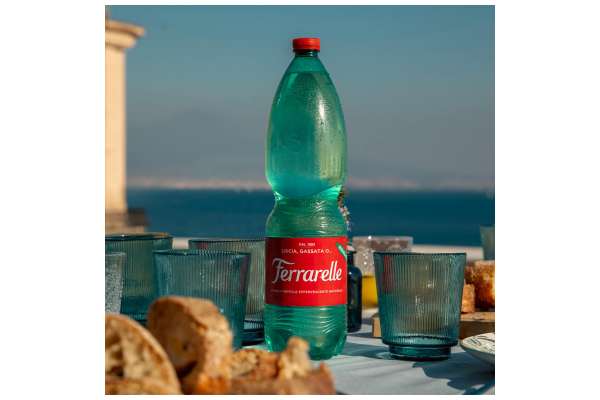
Ferrarelle Sparkling Water

Upgrade to Pro
Water Rating
S
A
B
C
D
F
  • Info IconContaminants:

    Description

    This metric identifies the presence of harmful substances in the water, such as heavy metals, chemicals, or biological contaminants.

    Importance

    Knowing what contaminants are present helps assess the safety and quality of drinking water, as exposure can lead to health issues.

    9
  • Info IconAbove Guidelines:

    Description

    This indicates whether the levels of certain contaminants exceed the safety guidelines set by health authorities (e.g., EPA or WHO).

    Importance

    Exceeding these guidelines can pose significant health risks, including acute and chronic illnesses, making this information crucial for consumer safety.

    6
  • Info IconMicroplastics:

    Description

    Microplastics are tiny plastic particles that can leach from packaging or environmental sources into water.

    Importance

    The presence of microplastics in drinking water raises concerns about potential health effects, as they can accumulate in the body and disrupt hormonal systems.

    Minimal
  • Info IconPFAS:

    Description

    PFAS are a group of human-made chemicals used in various industrial applications and consumer products.

    Importance

    These substances are persistent in the environment and human body, often linked to various health problems, including cancer and liver damage, making their detection vital.

    Unknown
  • Info IconFlouride:

    Description

    Fluoride is a mineral commonly added to public water supplies to prevent tooth decay.

    Importance

    While beneficial in small amounts, excessive fluoride can lead to dental fluorosis and other health issues, making its concentration important to monitor.

    1 ppm
  • Info IconpH:

    Description

    pH measures the acidity or alkalinity of water, which can affect the solubility of metals and the efficacy of disinfectants.

    Importance

    Maintaining a balanced pH is essential for water quality and can influence both health and taste.

    7.01
Please Note

All results & information have not been verified. All data is provided by the applicable company and may be estimated based on scientific data. Ratings and scoring are subject to drastically change based on new data / research.

Contaminants Found (8)

Upgrade to Pro to unlock access

Upgrade Now

Antimony

A metal used in industrial processes, present in water from mining activities and manufacturing.

Long-term exposure can cause increased blood cholesterol, decreased blood sugar, and damage to the liver and kidneys.

  • Contains
    0.0003 mg/L
  • Health Guidelines
    0.001 mg/L

Upgrade to Pro to unlock access

Upgrade Now

Barium

A naturally occurring element often derived from industrial discharges and natural deposits.

Can lead to increased blood pressure, heart and nervous system problems, and long- term exposure may cause kidney damage.

  • Contains
    0.11 mg/L
  • Health Guidelines
    0.7 mg/L

Upgrade to Pro to unlock access

Upgrade Now

Beryllium

A metal found in natural deposits, often introduced into water through industrial discharges.

Long-term exposure may cause lung disease, including berylliosis, and increase cancer risk.

  • Contains
    0.0009 mg/L
  • Health Guidelines
    0.001 mg/L

Upgrade to Pro to unlock access

Upgrade Now

Chromium

A metal found in water from industrial waste, especially from metal plating and textile production.

Can cause skin irritation and damage to the liver and kidneys. Long-term exposure is linked to lung and nasal cancer.

  • Contains
    0.003 mg/L
  • Health Guidelines
    0.0005 mg/L

Upgrade to Pro to unlock access

Upgrade Now

Fluoride

A naturally occurring mineral added to water to prevent tooth decay.

High levels can cause fluorosis (staining of teeth) and, in extreme cases, bone weakness and thyroid issues.

  • Contains
    1 mg/L
  • Health Guidelines
    0.7 mg/L

Upgrade to Pro to unlock access

Upgrade Now

Gross Beta

Measures of radioactivity in water, often from natural sources or nuclear activities.

Prolonged exposure to radioactive contaminants may increase the risk of cancer and damage internal organs, especially the bones.

  • Contains
    28 pCi/L
  • Health Guidelines
    0

Upgrade to Pro to unlock access

Upgrade Now

Lead

A toxic metal that can enter water through corroded plumbing systems.

Can cause developmental issues in children, damage to the brain and nervous system, and cardiovascular problems in adults.

  • Contains
    0.0019 mg/L
  • Health Guidelines
    0.0038 mg/L

Upgrade to Pro to unlock access

Upgrade Now

Nitrate

Commonly found in water due to agricultural runoff, sewage, and industrial waste.

Can cause methemoglobinemia, or "blue baby syndrome," in infants and may increase the risk of cancer and thyroid problems with prolonged exposure.

  • Contains
    0.87 mg/L
  • Health Guidelines
    0.14 mg/L

Water Sourcing and Treatment

The Ferrarelle Sparkling mineral water springs are in Campania, near Caserta, in the green countryside of Riardo

Other Ingredients Found (9)

Upgrade to Pro to unlock access

Upgrade Now

Bicarbonate

Total: 1500 mg/L

A component of natural alkalinity in water, contributing to pH stability.

Upgrade to Pro to unlock access

Upgrade Now

Calcium

Total: 400 mg/L

A naturally occurring mineral in water that contributes to hardness.

Upgrade to Pro to unlock access

Upgrade Now

Chloride

Total: 18 mg/L

A naturally occurring ion found in salts, sometimes entering water from road salt, sewage, or industrial processes.

Upgrade to Pro to unlock access

Upgrade Now

Magnesium

Total: 23 mg/L

A mineral essential for bodily functions, found naturally in water.

Upgrade to Pro to unlock access

Upgrade Now

Manganese

Total: 0.074 mg/L

A naturally occurring mineral found in groundwater and soil.

Upgrade to Pro to unlock access

Upgrade Now

Sodium

Total: 50 mg/L

Upgrade to Pro to unlock access

Upgrade Now

Potassium

Total: 49 mg/L

A common metal in water, often from natural deposits or corroded pipes.

Upgrade to Pro to unlock access

Upgrade Now

Nickel

Total: 0.005 mg/L

An essential nutrient often entering water from agricultural runoff and wastewater.

Upgrade to Pro to unlock access

Upgrade Now

Nitrogen

Total: 0.8 mg/L

A metal found in water from industrial waste or corrosion of plumbing.