
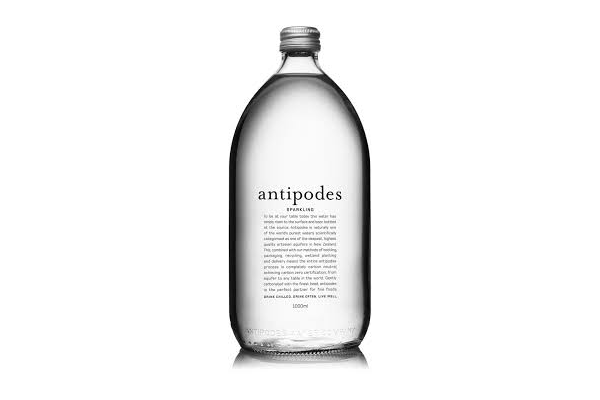
Antipodes Sparkling Water

-
 Contaminants:
 -
Above Guidelines:
-
Microplastics:
-
PFAS:
-
Flouride:
-
pH:
Please Note
All results & information have not been verified. All data is provided by the applicable company and may be estimated based on scientific data. Ratings and scoring are subject to drastically change based on new data / research.
Contaminants Found (5)

Antimony
A metal used in industrial processes, present in water from mining activities and manufacturing.
Long-term exposure can cause increased blood cholesterol, decreased blood sugar, and damage to the liver and kidneys.
Arsenic
A toxic element found naturally in soil and water, and also from industrial and agricultural sources.
Can cause skin, bladder, lung, and kidney cancer. It may also affect the cardiovascular and nervous systems with long-term exposure.
Barium
A naturally occurring element often derived from industrial discharges and natural deposits.
Can lead to increased blood pressure, heart and nervous system problems, and long- term exposure may cause kidney damage.
Borate
Naturally occurring compound derived from boron, commonly found in soil and groundwater.
High exposure may lead to reproductive and developmental toxicity, particularly affecting fertility.
Bromate
A disinfection byproduct formed when ozone used in water treatment reacts with bromide.
Associated with an increased risk of cancer, and can cause kidney damage when ingested in high levels over long periods.
Water Sourcing and Treatment
Sourced from New Zealand's deepest, highest quality artesian aquifer in the Bay of Plenty, Aotearoa New Zealand
Other Ingredients Found (5)
Boron
Total: 0.027 mg/LA naturally occurring element found in soil and water, used in fertilizers and industrial processes.
Calcium
Total: 3.5 mg/LA naturally occurring mineral in water that contributes to hardness.
Magnesium
Total: 1.8 mg/LA mineral essential for bodily functions, found naturally in water.
Sodium
Total: 11 mg/LSilica
Total: 73 mg/LA mineral that enters water from natural sources or industrial discharge.