
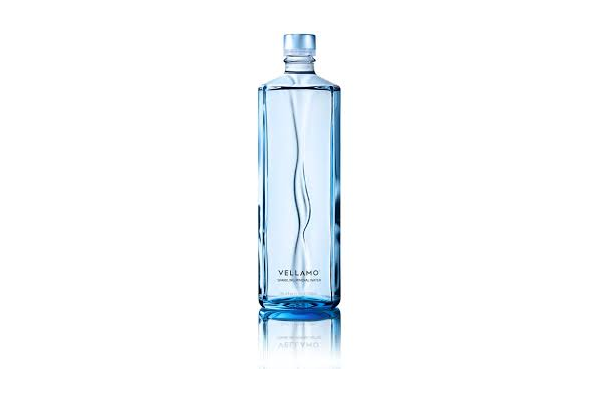
Vellamo Still Natural Mineral Water

-
 Contaminants:
 -
Above Guidelines:
-
Microplastics:
-
PFAS:
-
Flouride:
-
pH:
Please Note
All results & information have not been verified. All data is provided by the applicable company and may be estimated based on scientific data. Ratings and scoring are subject to drastically change based on new data / research.
Contaminants Found (7)

Arsenic
A toxic element found naturally in soil and water, and also from industrial and agricultural sources.
Can cause skin, bladder, lung, and kidney cancer. It may also affect the cardiovascular and nervous systems with long-term exposure.
Barium
A naturally occurring element often derived from industrial discharges and natural deposits.
Can lead to increased blood pressure, heart and nervous system problems, and long- term exposure may cause kidney damage.
Chromium
A metal found in water from industrial waste, especially from metal plating and textile production.
Can cause skin irritation and damage to the liver and kidneys. Long-term exposure is linked to lung and nasal cancer.
Fluoride
A naturally occurring mineral added to water to prevent tooth decay.
High levels can cause fluorosis (staining of teeth) and, in extreme cases, bone weakness and thyroid issues.
Gross Alpha
Measures of radioactivity in water, often from natural sources or nuclear activities.
Prolonged exposure to radioactive contaminants may increase the risk of cancer and damage internal organs, especially the bones.
Sulfate
A naturally occurring mineral found in water from soil leaching, rocks, and industrial processes.
High sulfate levels can cause gastrointestinal discomfort, including diarrhea, especially in infants and sensitive populations.
Uranium
A radioactive element naturally present in soil and groundwater.
Can increase the risk of kidney damage and cancer, especially when ingested over time.
Water Sourcing and Treatment
It comes from the only natural mineral water source of Finland
Other Ingredients Found (3)
Chloride
Total: 110 mg/LA naturally occurring ion found in salts, sometimes entering water from road salt, sewage, or industrial processes.
Copper
Total: 0.023 mg/LA metal found in water from plumbing systems and industrial waste.
Nickel
Total: 0.001 mg/LAn essential nutrient often entering water from agricultural runoff and wastewater.